Introduction
Workplace safety is a fundamental responsibility for every organization, regardless of its size or industry. Employers have a legal and ethical obligation to provide a safe working environment where employees, customers, contractors, and visitors are protected from potential hazards. Among the many aspects of workplace safety, fire protection is one of the most critical. A reliable fire protection system not only helps prevent injuries and property damage but also ensures that businesses meet fire safety regulations. This is where Bảo trì hệ thống PCCC plays an essential role.
Bảo trì hệ thống PCCC refers to the scheduled inspection, testing, servicing, repair, and maintenance of fire protection systems. Regular maintenance ensures that fire alarms, sprinkler systems, fire extinguishers, smoke detectors, emergency lighting, and other fire safety equipment continue to operate effectively. More importantly, it helps organizations comply with workplace safety regulations by keeping fire protection systems fully functional and properly documented.
This article explains how Bảo trì hệ thống PCCC supports workplace safety compliance, protects employees, reduces legal risks, and strengthens an organization’s overall safety management system.
Understanding Workplace Safety Compliance
Workplace safety compliance refers to following established laws, regulations, and safety standards that protect employees and the public from workplace hazards.
A comprehensive workplace safety program generally includes:
- Fire prevention
- Emergency preparedness
- Hazard identification
- Risk assessments
- Employee safety training
- Equipment inspections
- Emergency evacuation planning
- Regular maintenance of safety systems
Fire protection maintenance is one of the most important elements because it ensures that emergency equipment functions correctly when needed.
The Importance of Fire Protection Systems
Every workplace faces some level of fire risk. Even office environments contain electrical equipment, computers, paper documents, furniture, and other combustible materials.
Industrial facilities may face additional hazards such as:
- Flammable liquids
- Chemical storage
- High-temperature machinery
- Welding operations
- Fuel storage
- Combustible dust
- Electrical equipment
Fire protection systems are designed to detect fires quickly, alert occupants, suppress flames, and support safe evacuation.
Without proper Bảo trì hệ thống PCCC, these systems may fail during emergencies.
Ensuring Fire Alarm Reliability
Fire alarm systems provide the earliest warning during fire emergencies.
Routine maintenance ensures:
- Alarm panels function properly.
- Smoke detectors communicate correctly.
- Manual call points activate immediately.
- Sirens and warning lights operate effectively.
- Backup batteries remain fully charged.
Reliable alarms help employees evacuate quickly while reducing panic and confusion.
Regular inspections also demonstrate an organization’s commitment to workplace safety compliance.
Maintaining Smoke and Heat Detectors
Smoke and heat detectors continuously monitor the workplace for signs of fire.
Over time, environmental conditions may reduce detector performance.
Routine maintenance includes:
- Cleaning sensors
- Testing sensitivity
- Inspecting electrical connections
- Replacing aging detectors
- Functional testing
Reliable detection systems improve employee safety while supporting compliance with fire safety requirements.
Supporting Safe Emergency Evacuation
Emergency evacuation procedures depend on multiple fire protection systems working together.
These systems include:
- Emergency lighting
- Illuminated exit signs
- Public address systems
- Smoke control equipment
- Emergency communication devices
Bảo trì hệ thống PCCC ensures these systems remain operational even during power failures.
Safe evacuation significantly reduces injuries during emergencies and helps organizations meet workplace safety standards.
Keeping Fire Extinguishers Ready
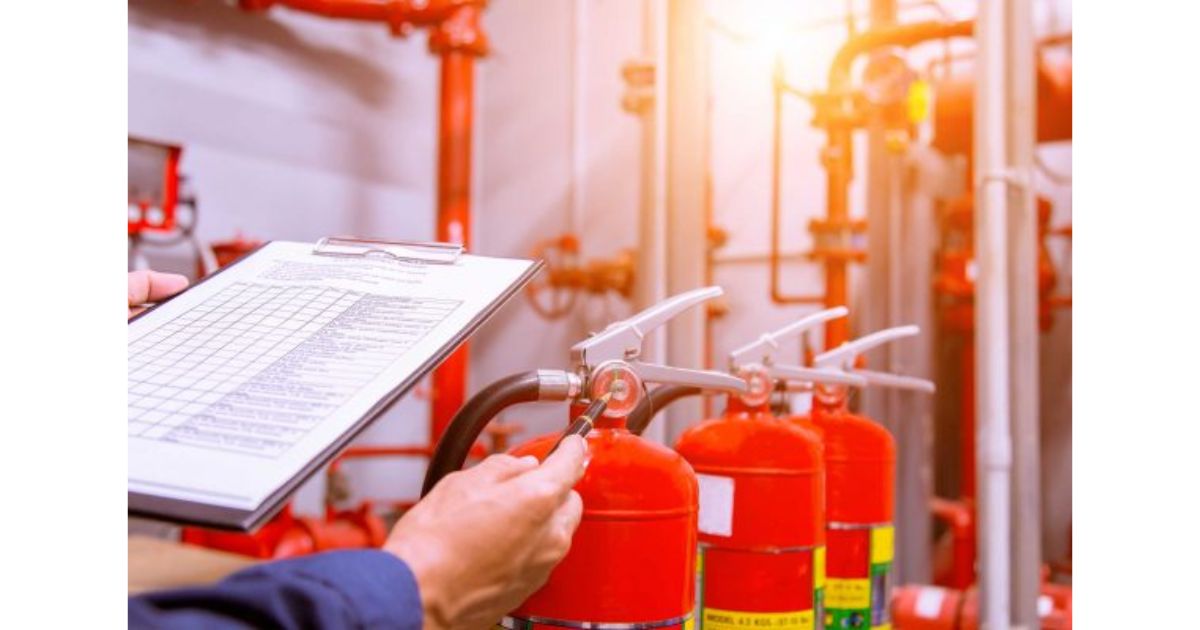
Portable fire extinguishers provide immediate protection against small fires before they spread.
Maintenance activities include:
- Pressure inspections
- Hose examinations
- Seal verification
- Weight checks
- Accessibility inspections
- Replacement of expired units Bảo trì hệ thống PCCC
Employees can only respond effectively if extinguishers remain fully operational and easy to access.
Maintaining Automatic Sprinkler Systems
Automatic sprinkler systems reduce fire damage by suppressing fires during their early stages.
Routine maintenance includes inspecting:
- Sprinkler heads
- Water supply
- Pipes
- Valves
- Pressure gauges
- Water storage tanks
Technicians also remove obstructions that may interfere with water distribution.
Properly maintained sprinkler systems strengthen workplace fire protection and regulatory compliance.
Inspecting Fire Pumps
Fire pumps provide sufficient water pressure for sprinkler systems and hydrants.
Routine inspections include:
- Operational testing
- Pressure verification
- Motor inspections
- Lubrication
- Electrical testing
- Automatic start verification
Reliable fire pumps ensure suppression systems perform effectively during emergencies.
Reducing Workplace Hazards
Regular Bảo trì hệ thống PCCC helps reduce numerous workplace hazards by identifying equipment problems before they become dangerous.
Examples include:
- Faulty smoke detectors
- Weak backup batteries
- Corroded sprinkler pipes
- Damaged valves
- Leaking hydrants
- Blocked emergency exits
- Inoperative emergency lighting
Correcting these issues improves overall workplace safety.
Supporting Regulatory Inspections
Many regulatory agencies require organizations to maintain fire protection systems according to established schedules.
Routine maintenance provides valuable documentation, including:
- Inspection reports
- Test results
- Repair records
- Equipment certifications
- Maintenance logs
These documents demonstrate compliance during workplace safety inspections.
Reducing Legal Liability
Organizations that neglect fire protection maintenance may face legal consequences if equipment fails during an emergency.
Potential liabilities include:
- Workplace injuries
- Property damage
- Regulatory penalties
- Legal claims
- Business interruptions
Consistent maintenance helps reduce these risks by demonstrating responsible safety management.
Improving Employee Confidence
Employees feel more secure when they know their workplace prioritizes safety.
Visible maintenance activities, properly maintained fire extinguishers, functional alarms, and illuminated exit signs reassure employees that emergency equipment is reliable.
A safer workplace often contributes to:
- Higher employee confidence
- Improved morale
- Better productivity
- Increased trust in management
Strengthening Emergency Preparedness
Maintenance is a key component of emergency preparedness.
Organizations should integrate Bảo trì hệ thống PCCC with:
- Fire drills
- Evacuation exercises
- Safety meetings
- Emergency response planning
- Hazard assessments
- Employee training
This integrated approach improves emergency response while reinforcing workplace safety compliance.
Extending Equipment Lifespan
Routine servicing helps maximize the lifespan of fire protection equipment.
Maintenance activities such as:
- Cleaning
- Lubrication
- Calibration
- Minor repairs
- Battery replacement
- Corrosion prevention
reduce wear and postpone expensive equipment replacement.
Longer equipment life also improves cost efficiency.
Preventing Business Interruptions
Fire incidents can disrupt normal business operations for days or even months.
Consequences may include:
- Production downtime
- Lost revenue
- Equipment replacement
- Customer dissatisfaction
- Supply chain disruptions
Reliable fire protection systems reduce the severity of incidents, allowing businesses to recover more quickly.
Common Workplace Maintenance Challenges
Organizations often face several challenges when maintaining fire protection systems.
Busy Operations
Maintenance must often be scheduled without interrupting daily activities.
Aging Equipment
Older systems require more frequent inspections and replacement parts.
Environmental Conditions
Dust, moisture, vibration, and chemicals may accelerate equipment deterioration.
Limited Maintenance Resources
Budget or staffing limitations sometimes delay necessary inspections.
Recognizing these challenges allows organizations to improve maintenance planning.
Best Practices for Workplace Compliance
Organizations can strengthen workplace safety compliance by following several best practices.
Establish a Maintenance Schedule
Create daily, monthly, quarterly, and annual inspection plans.
Hire Qualified Maintenance Professionals
Certified technicians provide accurate inspections and reliable repairs.
Maintain Complete Documentation
Store inspection reports and maintenance records in an organized system.
Train Employees
Teach staff how to recognize visible fire protection problems and report them promptly.
Perform Regular Equipment Testing
Functional testing confirms that equipment performs correctly under emergency conditions.
Review Maintenance Programs
Evaluate maintenance performance regularly to identify opportunities for improvement.
Future Trends in Workplace Fire Protection
Technology continues improving fire safety compliance through smarter maintenance solutions.
Emerging technologies include:
- Smart fire alarm systems
- Remote monitoring
- Predictive maintenance software
- Artificial intelligence diagnostics
- Cloud-based inspection records
- Automated reporting systems
These innovations improve equipment reliability while simplifying compliance management.
Conclusion
Bảo trì hệ thống PCCC plays a vital role in supporting workplace safety compliance by ensuring that fire protection systems remain reliable, effective, and ready to respond during emergencies. Through regular inspection, testing, servicing, and documentation, organizations protect employees, reduce fire-related risks, comply with safety regulations, and strengthen their overall emergency preparedness.
A proactive maintenance program goes beyond meeting legal requirements. It demonstrates a genuine commitment to employee well-being, operational continuity, and responsible facility management. By making Bảo trì hệ thống PCCC an integral part of workplace safety, organizations create safer working environments, minimize long-term costs, and ensure that their fire protection systems perform effectively whenever they are needed most.